
Factory-direct machinery for forestry, landscaping and compact lifting

Products
Machinery Details

Products

PRODUCT DISPLAY Compare specifications, applications and available configurations.

Factory-Direct Machinery

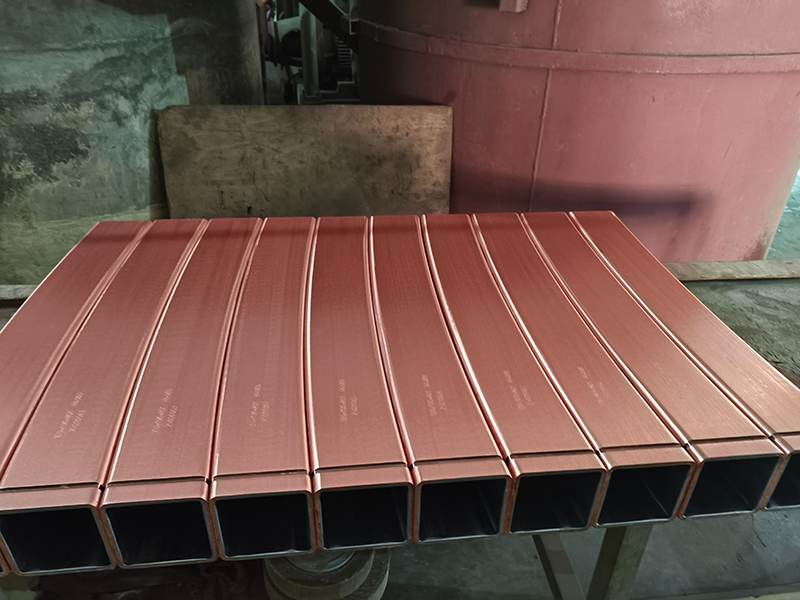
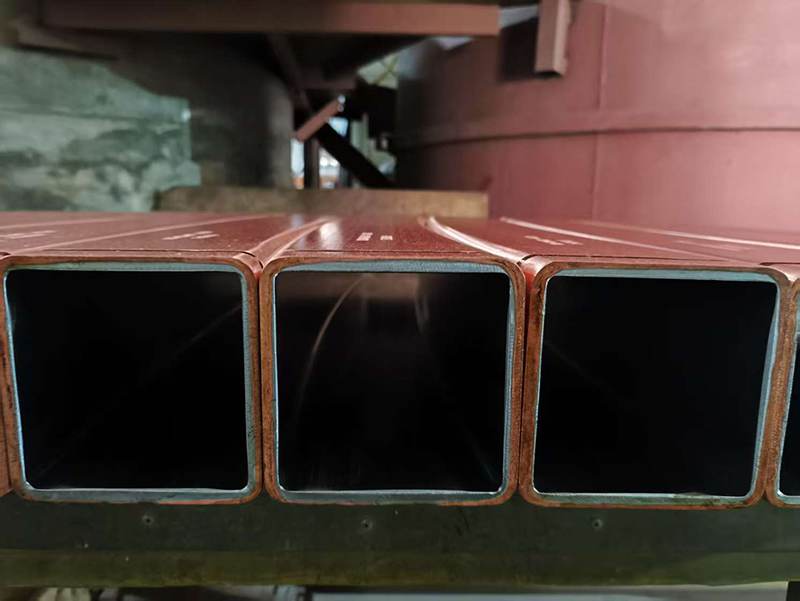
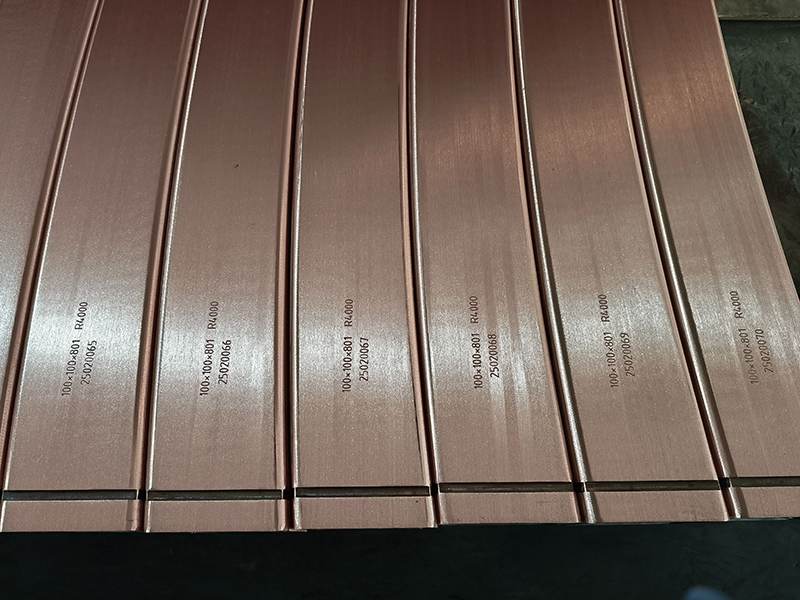
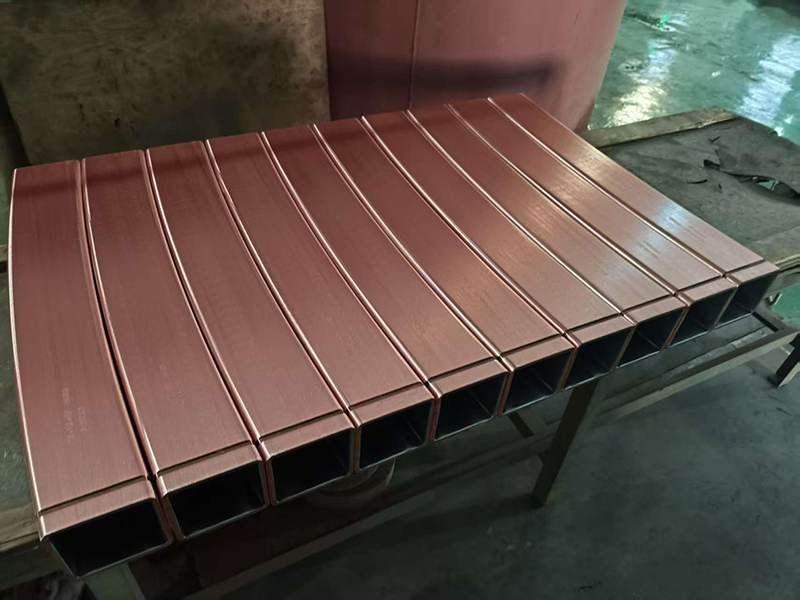
Copper mould tube

Crystallizer Copper Tube: High-Performance Component for Continuous Casting‌‌What is a Crystallizer Copper Tube?‌A ‌Crystallizer Copper Tube‌ is a precision-engineered component used in continuous casting machines for steel and non-ferrous metal production. Made from high-grade copper or copper
  • Application-based model and configuration recommendation
  • Factory inspection and trial operation before shipment
  • Export packaging and international delivery coordination
  • Operating guidance, maintenance and parts support
Fast response: [email protected]Phone: 008619139916561
Continuous Casting Component

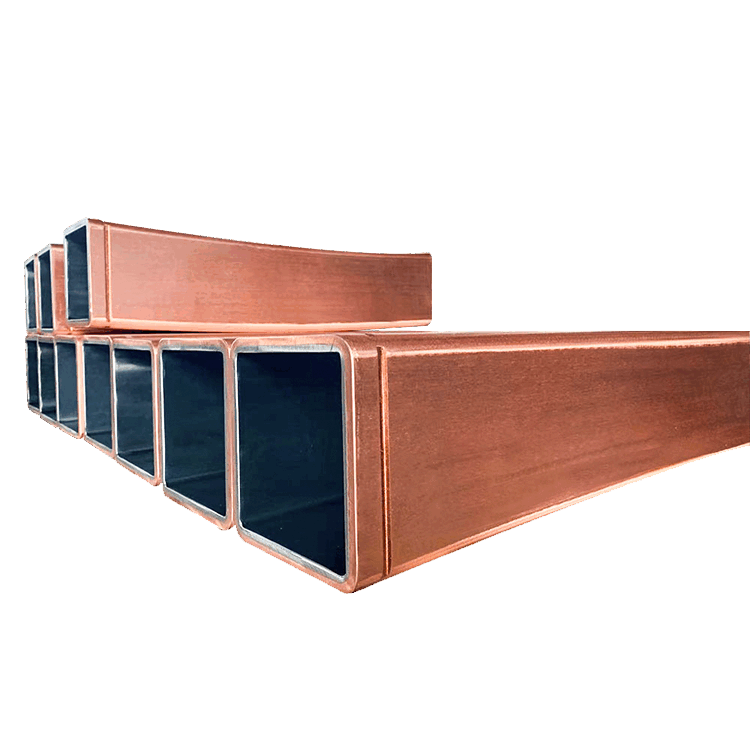
Copper Mould Tube for Continuous Casting

  • Used for the initial solidification of molten steel in continuous casting machines.
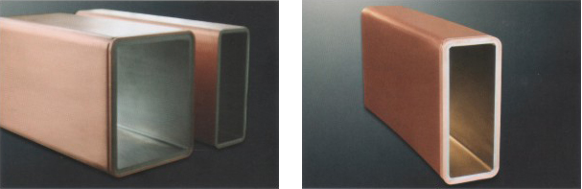
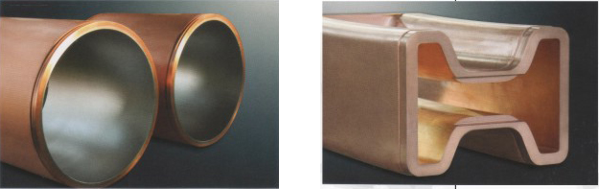
  • Suitable for square, round, rectangular and special-shaped billets.
  • Customized according to drawings, caster conditions and project requirements.
Application
Continuous casting machine
Material
TP2 / CuAg copper alloy
Types
Square, round and special-shaped
Customization
Produced by customer drawings

Product Overview

  • The copper mould tube is a key part of the continuous casting machine.
  • It helps molten steel cool down and form the required billet shape.
  • It works at the center of the casting process and directly affects billet quality.
  • Excellent thermal conductivity is required for fast heat transfer.
  • High mechanical strength helps support stable operation.
  • The final specification depends on the customer's caster and drawings.

How It Works

1
Molten metal is poured from the furnace into a ladle.
2
The metal flows from the ladle into the tundish through a shroud.
3
The metal enters the top of the open copper mould tube.
4
The copper mould tube guides solidification and helps form the billet.

Material Options

  • Copper alloy is generally used as the main material.
  • Common option: deoxidized phosphorus copper TP2.
  • Another common option: silver-bearing copper CuAg.

Available Types

  • Square copper mould tube.
  • Round copper mould tube.
  • Rectangular copper mould tube.
  • H-shaped and other special-shaped copper mould tubes.

Production Process

1. Copper Alloy 2. Extrusion & Forging 3. Cold Drawing / Rolling 4. Machining 5. Heat Treatment 6. Electroplating 7. Polishing

Product Specifications

Type Specification Arc Radius Wall Thickness Length Remarks
Square Mould Tube Square billet: 50×50–500×500
Rectangular billet: 100–500×650
4000–17000 6–50 700–1000
  • Available with stop notch.
  • Single, double and triple taper.
  • Parabolic taper.
  • Continuous taper high-efficiency mould tube.
Round Mould Tube φ110–1200 5000–17000 10–50 700–1000
Special-Shaped / H-Shaped Mould Tube Customized 6000–17000 12–50 780×1016
Note: The above data is for reference only. Final specifications are customized according to customer drawings.

How to Get a Fast Quotation

  1. Send complete technical drawings.
  2. Provide the required quantity.
  3. Tell us the caster type and working conditions if available.
  4. We will provide a suitable solution and quotation.

Packaging & Shipping

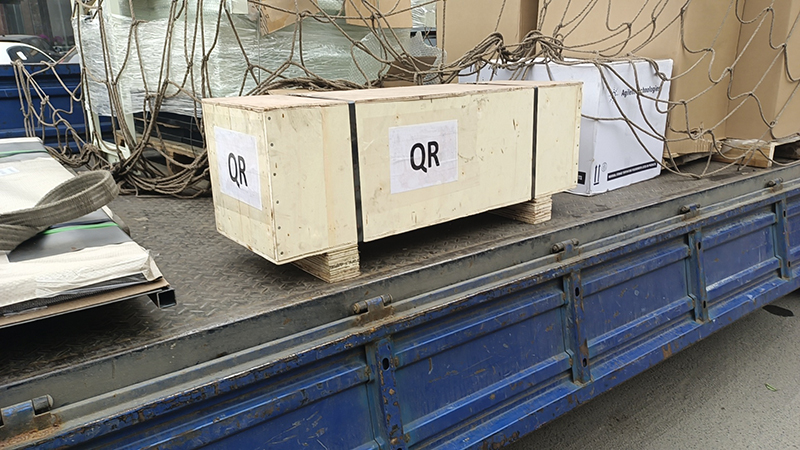
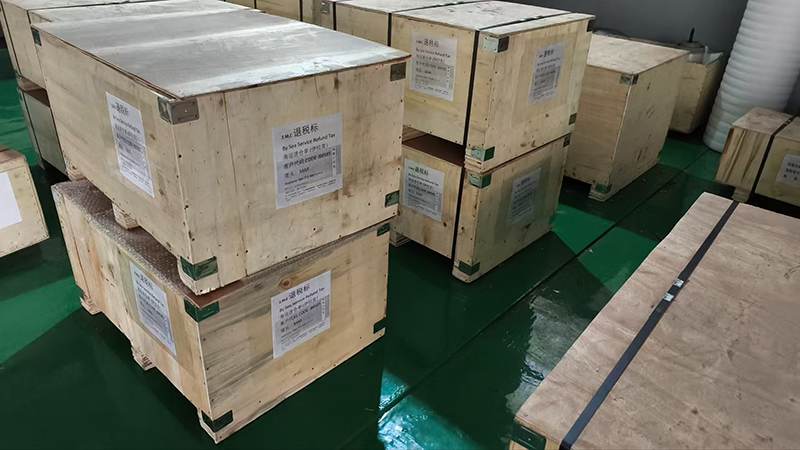
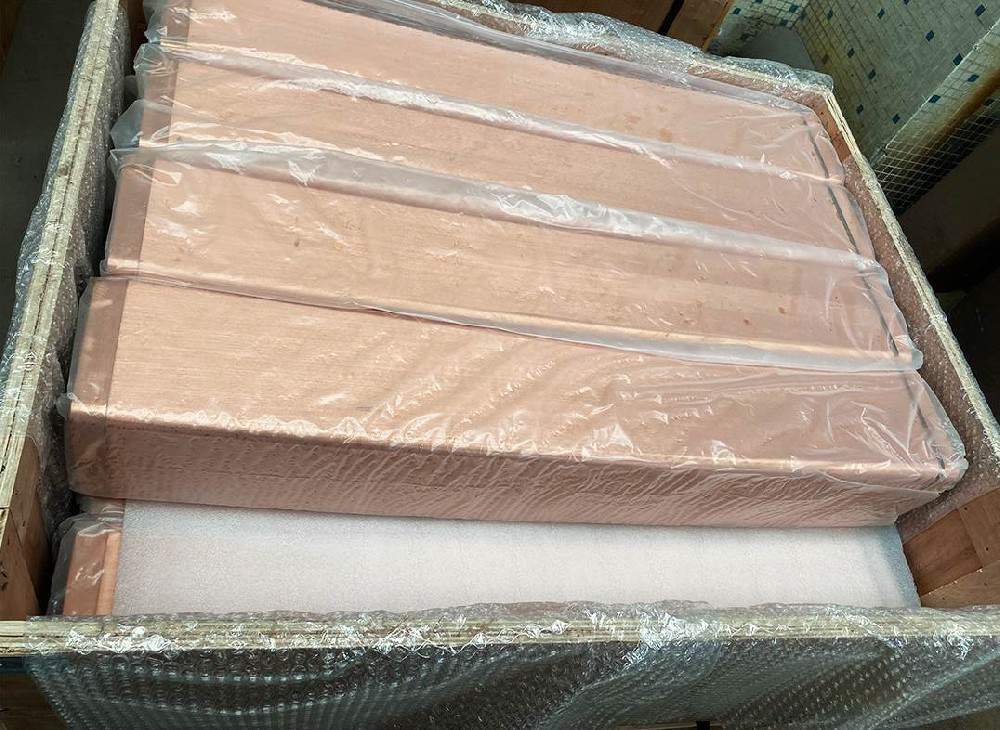
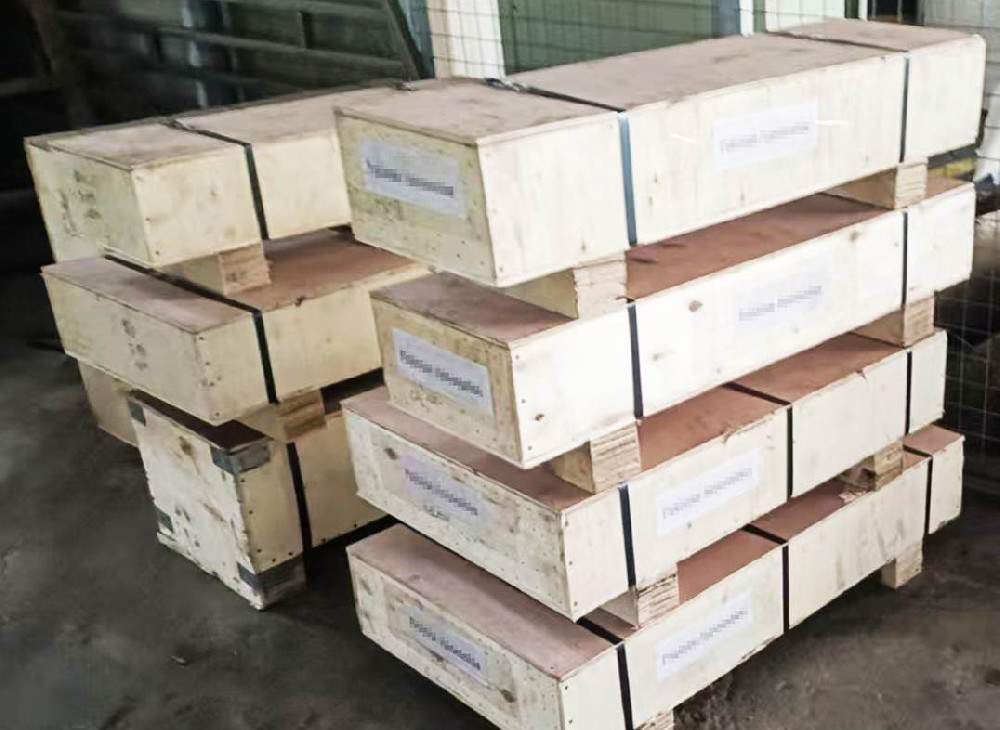
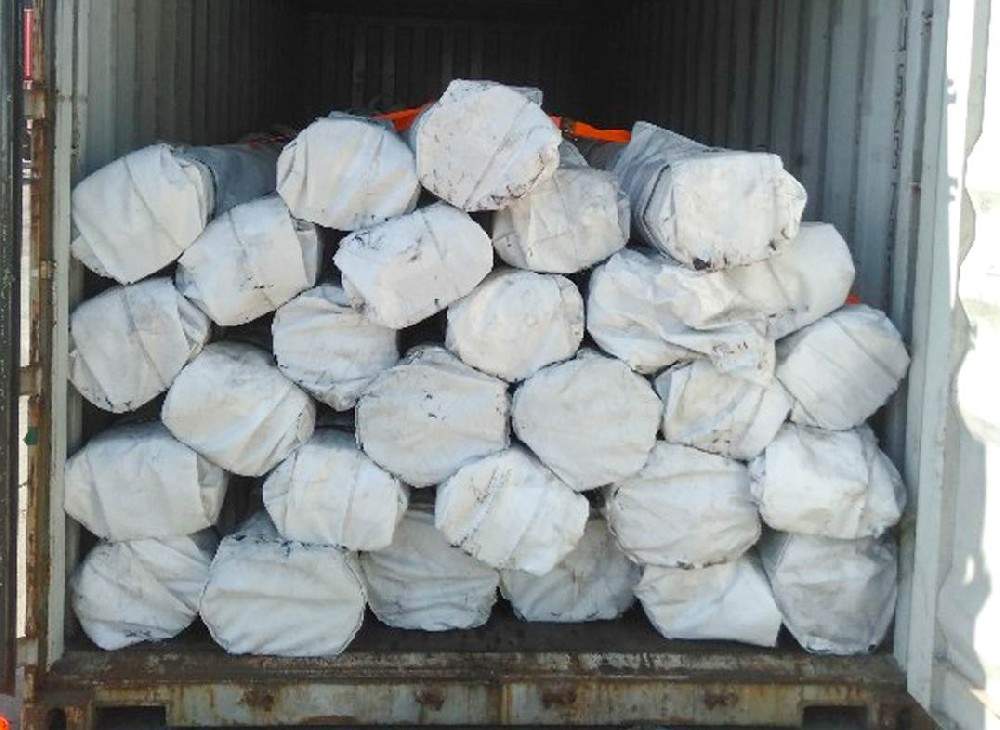
  • Products are packed in wooden cases.
  • Small orders can be shipped by LCL.
  • Packaging can be adjusted according to order quantity and transport requirements.

Important Notes

  1. The service performance of a copper mould tube is not calculated simply by the number of uses or years of operation.
  2. It mainly depends on steel throughput, namely how many tons of molten steel can pass through one copper mould tube.
  3. Product quality is important, but it is only one part of the overall performance.
  4. Dimensions, wall thickness, matching accuracy, cooling performance, taper design and caster operation may all affect actual performance.
  5. Therefore, we do not provide a guaranteed steel throughput.
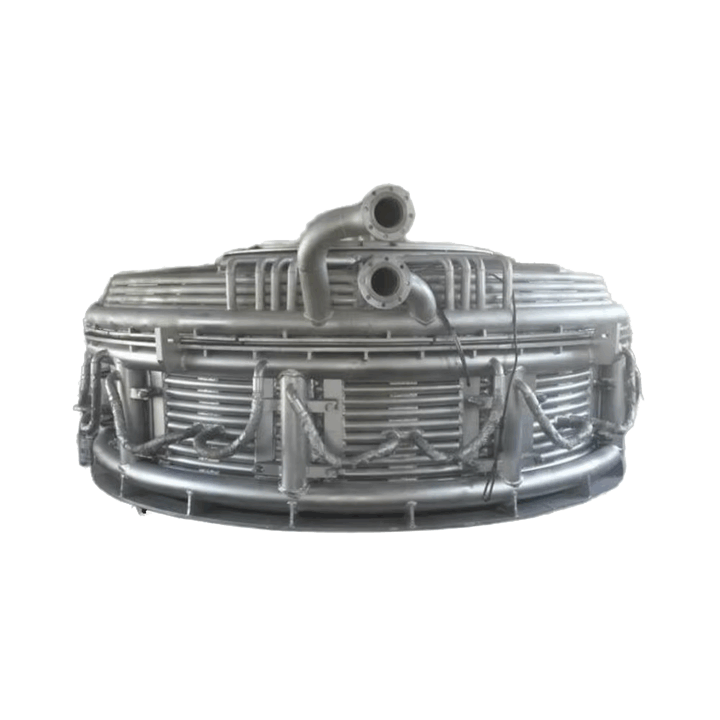
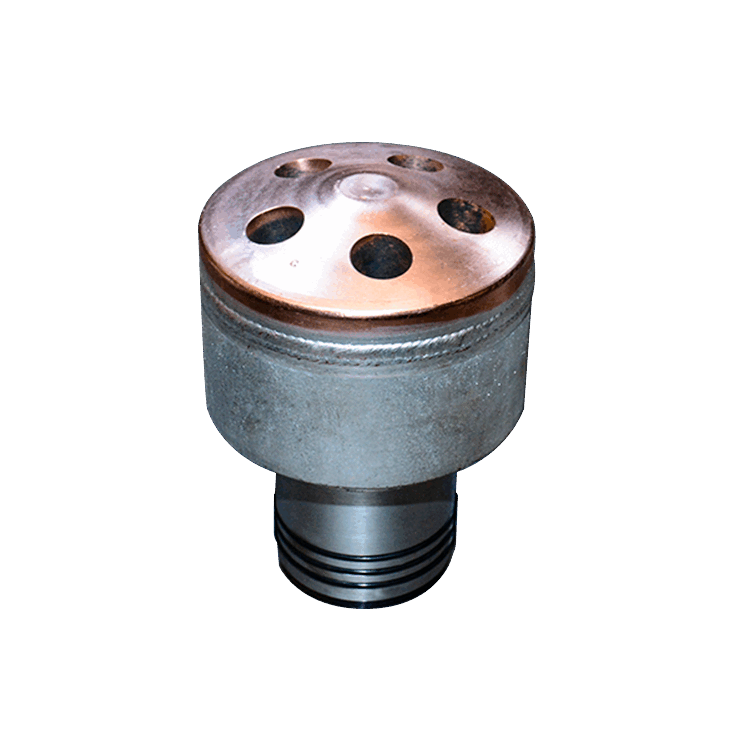
  6. Besides copper mould tubes, we can also supply mould assemblies, water jackets and other continuous casting components.

Reference Drawings & Product Structure
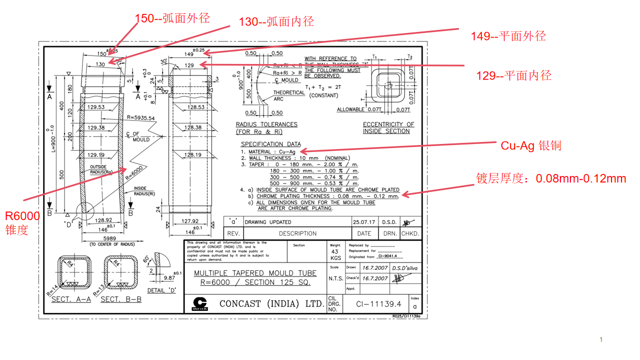
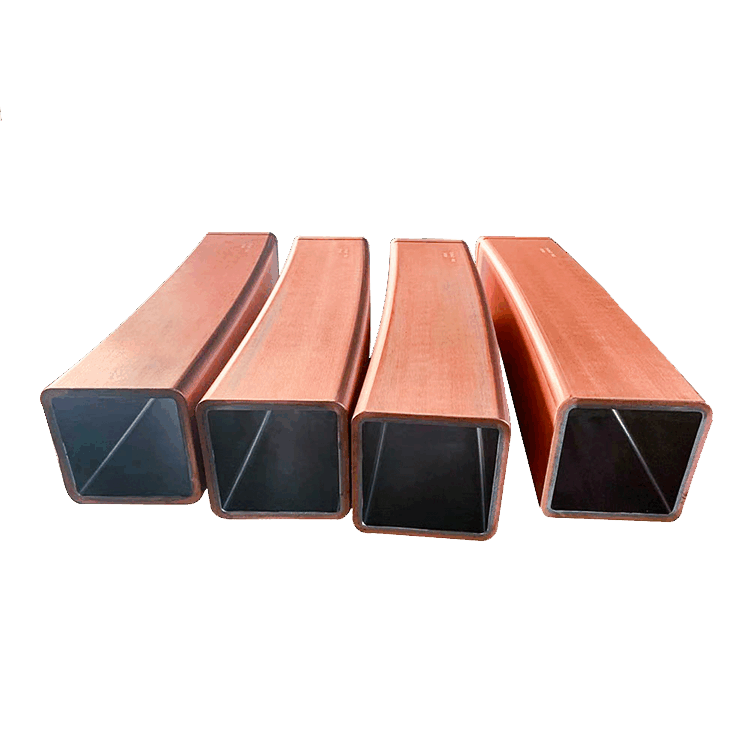
Copper Mould Tube Reference Image
Copper Mould Tube Reference Drawing
Copper Mould Tube Specification Drawing

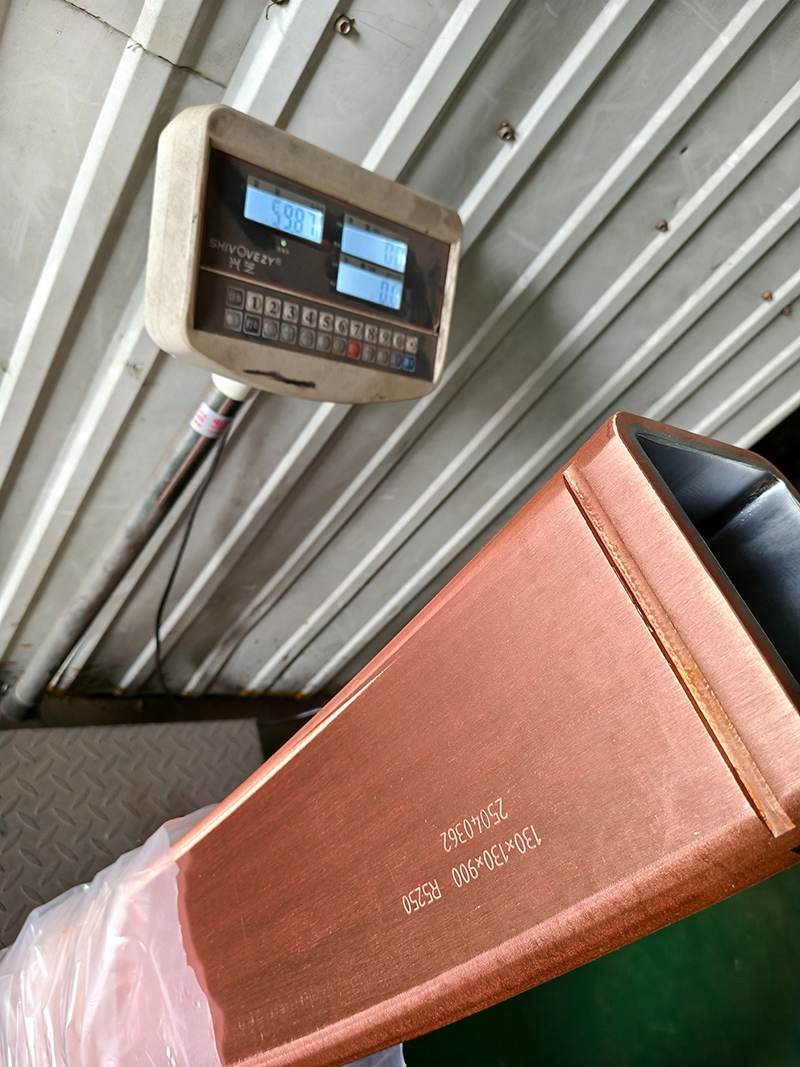
Shipment & Loading Photos

Shipment Photo
Loading Photo

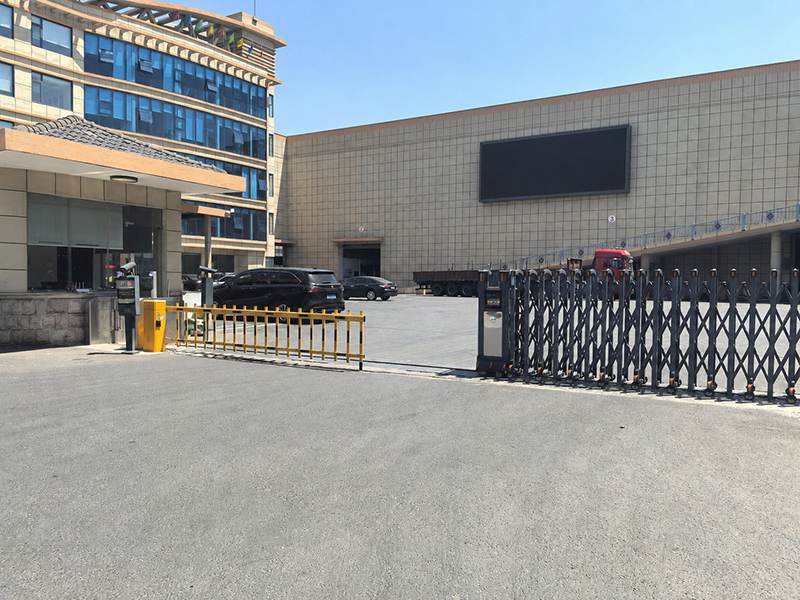
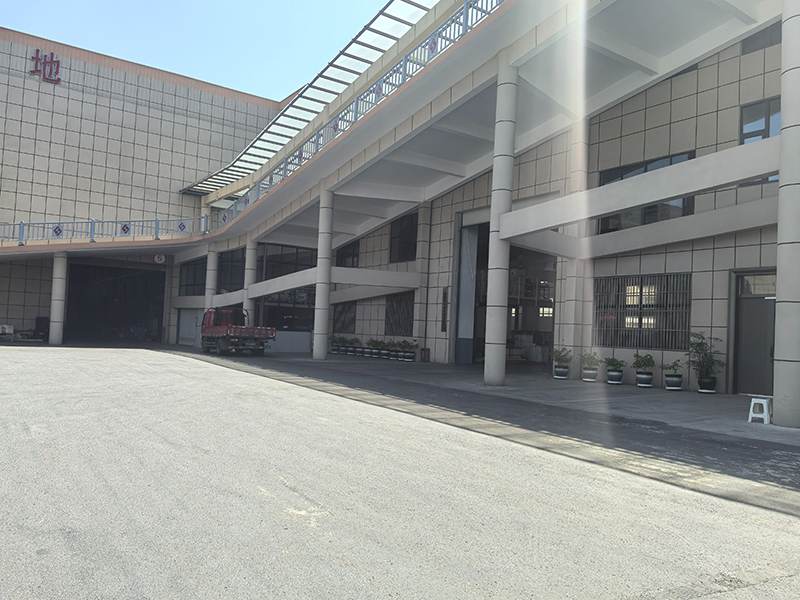
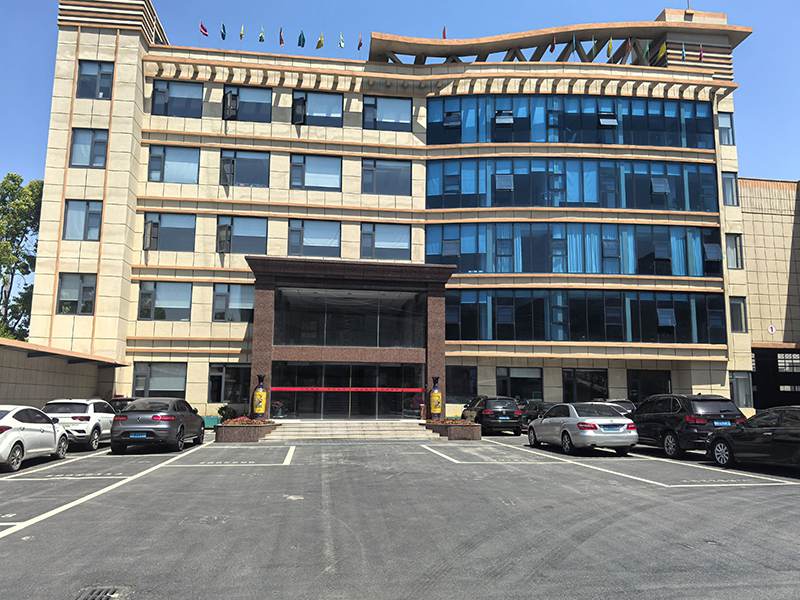
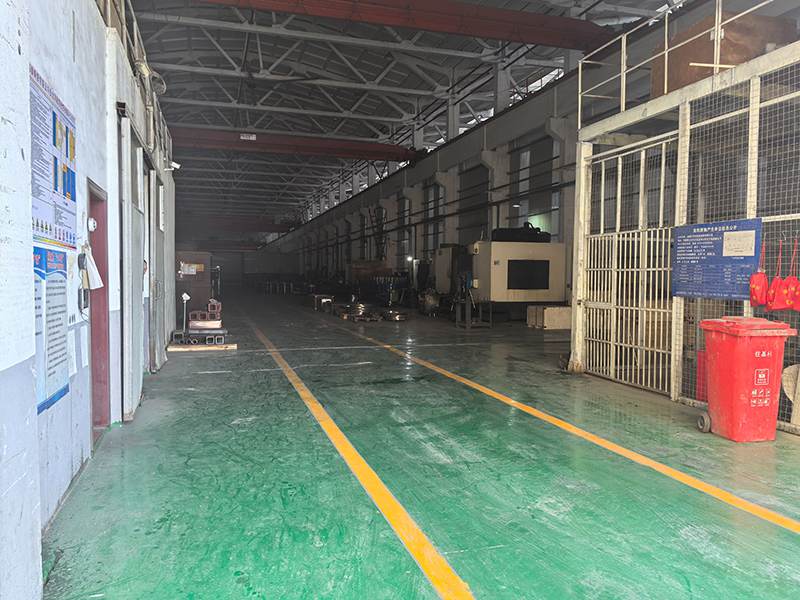
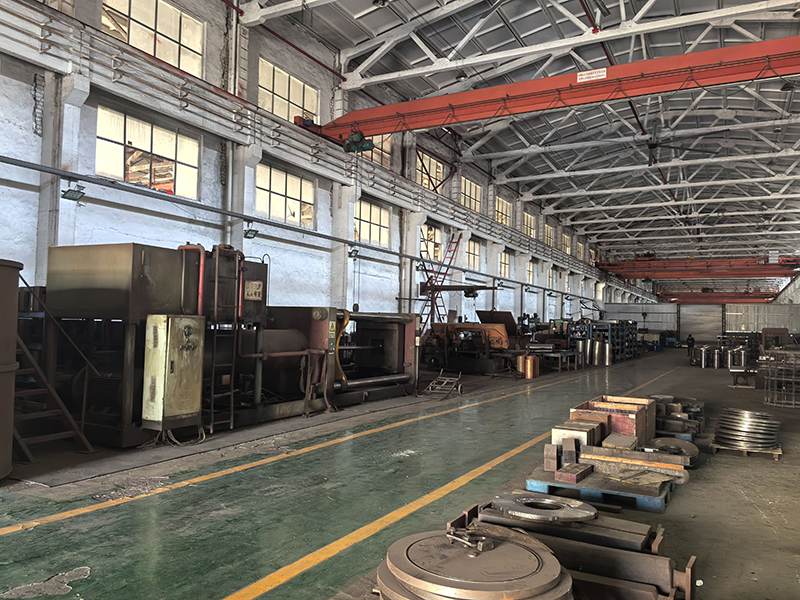
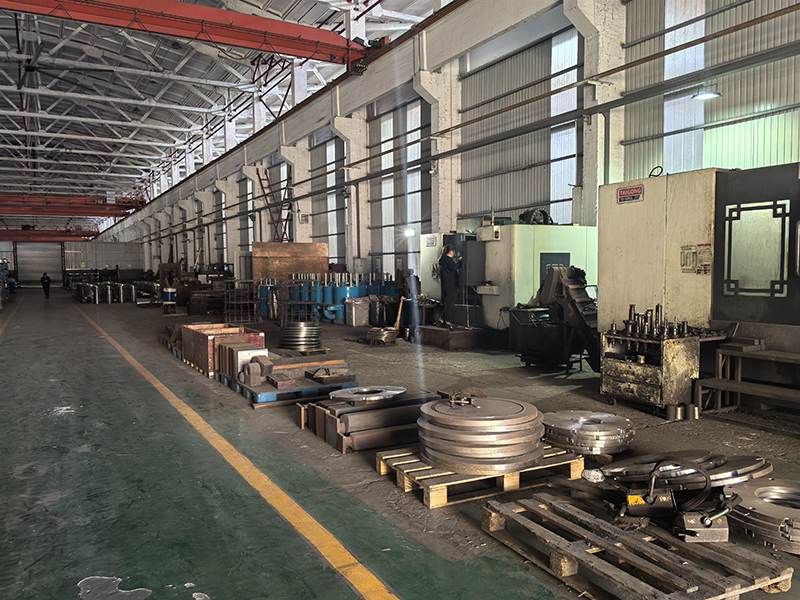
Factory Photos

Factory Photo
Factory Photo
Factory Photo
Factory Photo
Factory Photo
Factory Photo

Product Photos

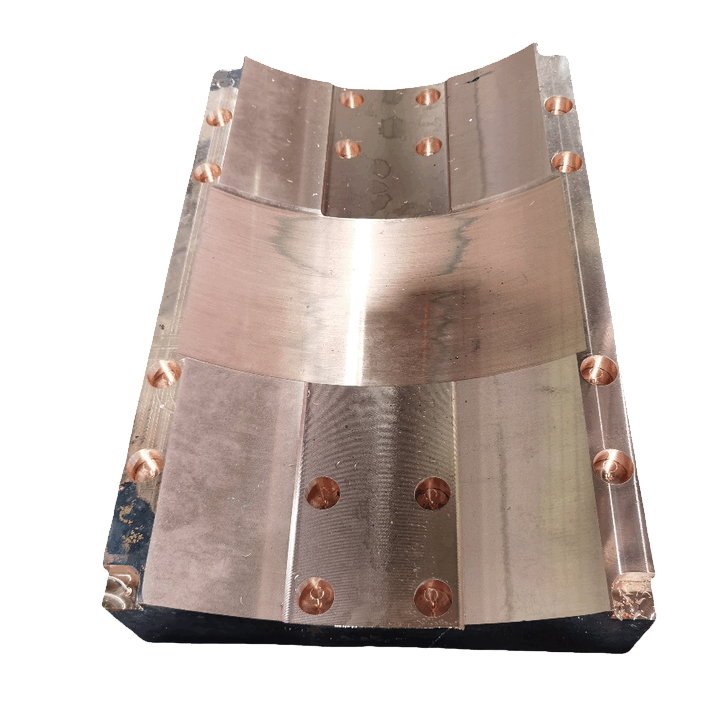
Copper Mould Tube Product Photo

Why Choose Our Copper Mould Tube

Reliable material, precise processing and stable quality for continuous casting applications.

01

High Thermal Conductivity

High-quality copper alloy helps achieve fast heat transfer and stable billet solidification.

02

Longer Service Life

Optimized material and processing help improve wear resistance and working stability.

03

Customized Sizes Available

Square, round, rectangular and special-shaped mould tubes can be customized by drawings.

04

Precision Machining

Accurate dimensions, smooth surface and proper taper design support stable casting performance.

05

Strict Quality Inspection

Each mould tube is inspected for size, surface, structure and processing quality before delivery.

06

Fast Delivery & Technical Support

We provide timely production, delivery support and technical communication for your project.

TECHNICAL FAQ

Frequently
Asked
Questions

Practical answers about copper mould tube materials, applications, maintenance, and common use questions in continuous casting.

01 What is a copper mould tube, and what is it used for? +
The copper mould tube is the core component of the continuous casting machine, directly in contact with high-temperature molten steel. Its main function is to rapidly cool and solidify the molten steel into a solid shell of a certain thickness and shape, providing the initial shape and size, such as square billets, rectangular billets, and round billets, for the cast billet.
02 What is the main material of copper mould tube? +
It is usually made of high thermal conductivity copper alloys, such as phosphorus-deoxidized copper (TP2), silver-copper (CuAg0.1), or chromium-zirconium-copper (Cr-Zr-Cu), to enhance high-temperature strength, wear resistance, and creep resistance.
03 Why does a used copper mould tube turn black? +
The blackening of copper tubes in steel plant moulds may be caused by multiple factors, including oxidation, corrosion, and sedimentation. To prolong the service life of copper tubes, regular maintenance and upkeep are necessary. Steel plants can also use cleaner water to clean the moulds, which helps reduce oxidation and sediment buildup, lowering the likelihood of the copper tubes turning black.

Need a Customized Copper Mould Tube?

  • Send us your drawings.
  • Tell us your required specifications and quantity.
  • Our team will provide a suitable solution and quotation for your continuous casting project.
Why Choose Our Machinery

A clearer route from requirement to operation.

We focus on practical matching, communication and delivery support so customers can make a more confident equipment decision.

01

Application Matching

Models are compared against material, capacity and working conditions rather than chosen only by appearance.

02

Configuration Advice

Power, mobility, feeding, discharge and attachment choices are discussed before final quotation.

03

Factory Inspection

Assembly condition and trial operation are checked before export packing and dispatch.

04

Export Coordination

Packaging, dimensions and loading information are prepared for international transport.

05

Technical Response

Operating and maintenance questions can be discussed through email, phone or WhatsApp.

06

Parts Assistance

Wear parts and replacement items can be identified using model and machine information.

Request This Machine

Get price, configuration and delivery details.

Tell us what the machine will process, your target output and destination. We will reply with a suitable setup and quotation information.

  1. 1Describe material and application
  2. 2Confirm capacity and site conditions
  3. 3Receive recommendation and quotation

Your information is used only to respond to this machinery inquiry.

Email WhatsApp Inquiry